

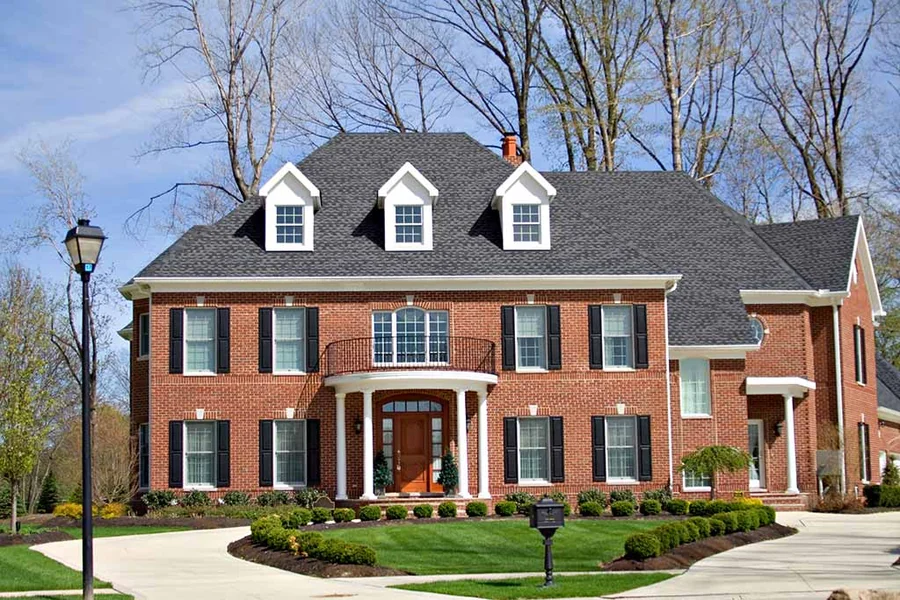
Roofing is far more than a practical necessity. In historic neighborhoods, cultural landmarks, and heritage buildings, a roof represents craftsmanship, identity, and architectural legacy. Heritage roofing projects combine traditional building methods with modern engineering practices to preserve structures that hold historical and cultural significance. These projects require careful planning, specialized materials, and skilled professionals who understand the delicate balance between restoration and innovation.
Across cities and rural communities alike, heritage roofing projects play an essential role in maintaining the visual and structural integrity of historic properties. From churches and government buildings to heritage homes and commercial landmarks, roofing restoration ensures that future generations can continue to appreciate the architectural achievements of the past.
Understanding Heritage Roofing
Heritage roofing refers to the repair, restoration, replacement, or preservation of roofs on buildings recognized for their historical or cultural importance. Unlike standard roofing projects, heritage roofing involves maintaining the original design, appearance, and materials whenever possible. The objective is not simply to replace a damaged roof but to preserve the character and authenticity of the structure.
Many heritage buildings feature roofing systems that are no longer commonly used in modern construction. Materials such as slate, clay tiles, cedar shakes, copper, and hand-formed metal roofing were once standard but now require specialized knowledge to restore properly. Heritage roofing contractors must understand historical architecture, traditional installation methods, and local preservation guidelines.
Because heritage structures often have aging frameworks and unique architectural details, each project presents distinct challenges. Successful restoration depends on detailed inspections, historical research, and close collaboration between architects, preservation authorities, contractors, and property owners.
The Importance of Preserving Historic Roofs
Historic roofs contribute significantly to the identity and value of heritage properties. A well-preserved roof protects the structure from weather damage while maintaining the building’s original appearance. In many cases, the roof is one of the most visually prominent architectural features, making its preservation critical to the building’s overall authenticity.
Heritage roofing projects also support cultural preservation. Historic buildings often tell the story of a community’s growth, traditions, and craftsmanship. Restoring these structures helps preserve local history and creates a connection between generations.
In addition, heritage restoration can provide economic benefits. Historic districts and preserved landmarks attract tourism, increase property values, and contribute to local economic development. Properly maintained heritage buildings often become community gathering spaces, museums, restaurants, hotels, or office spaces that blend historical charm with modern functionality.
Common Materials Used in Heritage Roofing Projects
One of the defining aspects of heritage roofing is the use of authentic or historically accurate materials. These materials are selected not only for durability but also for their ability to match the original architectural style.
Slate Roofing
Slate has been used for centuries due to its natural beauty and exceptional longevity. Many historic churches, mansions, and civic buildings feature slate roofs that can last more than a hundred years when maintained properly. Heritage roofing specialists often source matching slate to preserve consistency during repairs or replacements.
Clay and Concrete Tiles
Clay tiles are commonly found on Mediterranean, Spanish Colonial, and Mission-style heritage structures. Their distinctive appearance and durability make them a popular choice for restoration projects. Concrete tiles may also be used in some cases to replicate the original design while offering enhanced structural performance.
Cedar Shakes and Wood Shingles
Traditional wood roofing materials, especially cedar shakes, are frequently used on historic cottages, cabins, and rural heritage properties. Restoration professionals must carefully select treated wood products that maintain the appearance of the original roofing system while improving fire resistance and weather protection.
Copper and Metal Roofing
Copper roofs and decorative metal elements are often seen on heritage government buildings, churches, and historic commercial properties. Over time, copper develops a distinctive patina that enhances the building’s character. Restoring these roofs requires highly specialized craftsmanship and metalworking expertise.
Challenges in Heritage Roofing Restoration
Heritage roofing projects involve unique technical and logistical challenges. Unlike modern construction projects, restoration work must respect historical accuracy while addressing current safety and performance standards.
Structural Limitations
Older buildings may have weakened support systems due to decades of weather exposure, moisture damage, or shifting foundations. Roofing contractors must carefully assess the structure before beginning restoration work. In some cases, reinforcement or hidden structural upgrades are necessary to safely support the restored roof.
Material Availability
Finding historically accurate materials can be difficult and expensive. Certain slate types, clay tiles, or handcrafted metal components may no longer be widely produced. Contractors often work with specialty manufacturers or salvaged materials suppliers to achieve the closest possible match.
Preservation Regulations
Many heritage buildings are protected by local, regional, or national preservation laws. Property owners and contractors must comply with strict guidelines that regulate which materials, colors, and construction methods can be used. Approval processes may involve heritage committees, architects, and government agencies.
Skilled Labor Requirements
Heritage roofing requires specialized craftsmanship that differs significantly from conventional roofing installation. Contractors must understand historical construction methods and possess advanced restoration skills. Training and experience are essential for ensuring the project meets both structural and historical standards.
Modern Technology in Heritage Roofing
Although heritage roofing emphasizes traditional craftsmanship, modern technology has become an important part of restoration projects. Advanced tools and engineering techniques help improve safety, efficiency, and long-term durability.
Drones and digital imaging systems are now commonly used for roof inspections, allowing contractors to identify damage without causing unnecessary disruption to fragile structures. Moisture detection equipment can reveal hidden leaks or structural issues that may not be visible during standard inspections.
Modern underlayment systems and insulation materials also improve energy efficiency while remaining concealed beneath traditional roofing materials. This allows heritage buildings to meet modern comfort standards without altering their historical appearance.
In some cases, computer-aided design and 3D modeling help restoration teams recreate decorative roof features with remarkable accuracy. These technologies ensure that restoration work remains faithful to the building’s original design.
Sustainability and Heritage Roofing
Heritage roofing projects contribute to sustainability by preserving existing buildings rather than demolishing and rebuilding them. Restoration reduces construction waste, conserves raw materials, and extends the lifespan of valuable structures.
Many traditional roofing materials are naturally durable and environmentally friendly. Slate, clay, copper, and cedar are long-lasting materials that often outperform modern synthetic alternatives in terms of lifespan. Proper restoration allows these materials to continue functioning effectively for decades.
Energy-efficient upgrades can also be integrated into heritage roofing systems without compromising historical authenticity. Improved ventilation, insulation, and weatherproofing reduce energy consumption while protecting the building from future damage.
Planning a Successful Heritage Roofing Project
Careful planning is essential for any heritage roofing project. Property owners should begin by consulting experienced heritage roofing specialists who understand preservation standards and historical architecture.
A thorough roof inspection and condition assessment should identify structural concerns, water damage, material deterioration, and historical features requiring protection. Historical documentation, including photographs and architectural records, can help guide the restoration process.
Budgeting is another critical factor. Heritage roofing projects are often more expensive than standard roofing work due to specialized materials and labor requirements. However, investing in quality restoration helps prevent costly future repairs and preserves the long-term value of the property.
Communication among all stakeholders is equally important. Architects, engineers, contractors, preservation authorities, and property owners must collaborate closely to ensure the project remains historically accurate while meeting modern performance standards.
The Future of Heritage Roofing
As communities increasingly recognize the value of historic preservation, demand for heritage roofing expertise continues to grow. Advances in restoration technology, sustainable construction practices, and specialized training are helping contractors preserve historic buildings more effectively than ever before.
Heritage roofing projects represent more than construction work. They are investments in history, culture, and community identity. By protecting historic roofs and architectural landmarks, restoration professionals ensure that future generations can continue to experience the craftsmanship and stories embedded within these remarkable structures.
Whether restoring a century-old church, preserving a historic family home, or rehabilitating a landmark commercial building, heritage roofing projects demonstrate the enduring importance of quality craftsmanship and historical stewardship. These projects stand as a reminder that preserving the past is an essential part of building a sustainable and culturally rich future.
