

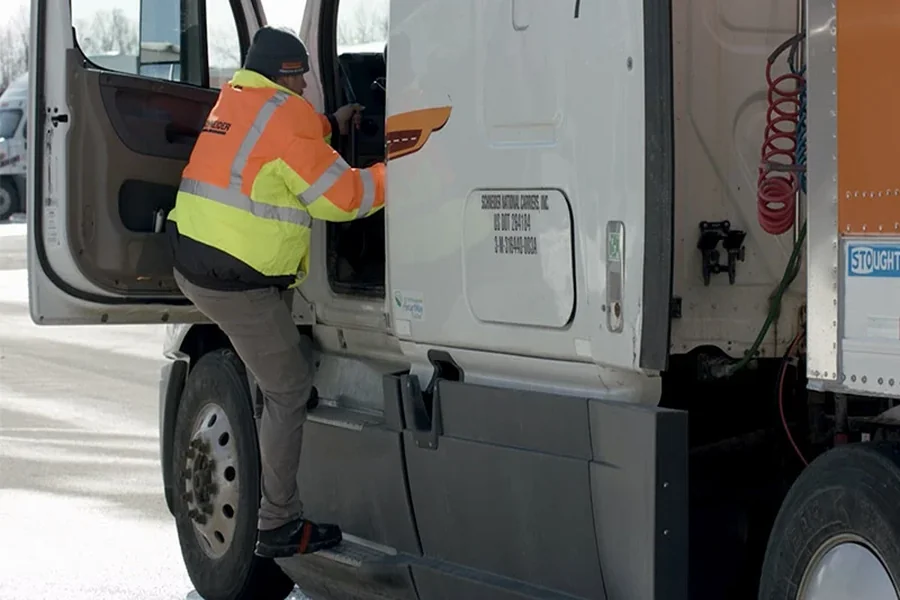
Truck driving is one of the most demanding professions in the transportation industry. Long hours on the road, changing weather conditions, heavy traffic, and strict delivery schedules can create stressful situations for drivers every day. Because commercial trucks are much larger and heavier than passenger vehicles, safety must always remain the top priority. By following proper safety practices, truck drivers can protect themselves, their cargo, and everyone sharing the road.
Perform Thorough Pre-Trip Inspections
One of the most important habits for any truck driver is conducting a detailed pre-trip inspection. Before starting a journey, drivers should carefully examine the truck’s tires, brakes, lights, mirrors, windshield wipers, fluid levels, and coupling systems. Even a small mechanical issue can become dangerous when driving a large commercial vehicle at highway speeds.
Checking tire pressure is especially important because underinflated or damaged tires can lead to blowouts. Drivers should also ensure that cargo is properly secured to prevent shifting during transport. Taking a few extra minutes for inspection can help prevent breakdowns, accidents, and costly delays. Having access to reliable truck roadside assistance services can help drivers quickly handle unexpected breakdowns, tire failures, or mechanical issues while minimizing delays and improving overall road safety.
Stay Alert and Avoid Fatigue
Driver fatigue is one of the leading causes of truck accidents. Long hours behind the wheel can reduce reaction time, impair judgment, and increase the likelihood of falling asleep while driving. Truck drivers should always follow hours-of-service regulations and take required rest breaks.
Getting enough sleep before a trip is essential. Drivers should aim for consistent sleep schedules whenever possible and avoid relying heavily on caffeine or energy drinks to stay awake. If a driver begins feeling drowsy, the safest option is to pull over at a safe location and rest.
Recognizing the warning signs of fatigue is also critical. Frequent yawning, drifting between lanes, difficulty concentrating, and missing traffic signs are all signs that a driver needs a break immediately.
Maintain Safe Following Distances
Because trucks require much longer stopping distances than smaller vehicles, maintaining adequate space between vehicles is essential. A fully loaded truck may need the length of two football fields to come to a complete stop at highway speeds.
Drivers should leave plenty of room between their truck and the vehicle ahead, especially during rain, snow, or fog. Tailgating increases the risk of rear-end collisions and leaves little time to react to sudden traffic changes.
It is equally important to monitor blind spots carefully. Commercial trucks have large blind spots on all four sides, particularly along the right side and directly behind the trailer. Drivers should use mirrors frequently and signal early before changing lanes or turning.
Adjust Driving for Weather Conditions
Weather can change rapidly and create dangerous road conditions for truck drivers. Rain, snow, ice, strong winds, and fog all require extra caution. Drivers should reduce speed during poor weather and increase following distances to maintain better control.
In icy conditions, sudden braking or sharp steering can cause trailers to skid or jackknife. During heavy rain, hydroplaning may occur if tires lose contact with the road surface. Strong winds can also affect empty trailers and make steering difficult.
Truck drivers should stay updated on weather forecasts before and during trips. If conditions become too hazardous, delaying travel may be the safest decision.
Eliminate Distracted Driving
Distracted driving is a serious safety risk for all motorists, but it is especially dangerous for truck drivers operating large vehicles. Activities such as texting, eating, adjusting navigation systems, or using mobile phones can take a driver’s attention away from the road for only a few seconds — but that can be enough time for a severe accident to occur.
Drivers should keep their focus entirely on driving. Hands-free communication systems can reduce distractions, but even conversations should be limited when traffic or road conditions require full attention.
Planning routes in advance can also help reduce distractions. Drivers who know their routes beforehand are less likely to make sudden lane changes or become confused in unfamiliar areas.
Practice Defensive Driving
Defensive driving means anticipating the actions of other drivers and preparing for unexpected situations. Many passenger vehicle drivers underestimate the size and stopping ability of trucks, often cutting in front of them or driving in blind spots.
Truck drivers should remain patient and avoid aggressive behavior, even when other motorists act recklessly. Speeding, tailgating, and sudden lane changes increase accident risks significantly.
Scanning the road ahead and monitoring surrounding traffic helps drivers identify hazards early. Staying calm under pressure and making safe decisions can prevent collisions before they happen.
Secure Cargo Properly
Improperly loaded or unsecured cargo can create major safety hazards. Shifting cargo may affect vehicle balance, increase rollover risks, or damage the trailer. In some cases, loose cargo can spill onto the roadway and endanger other drivers.
Drivers should ensure cargo is evenly distributed and secured according to safety regulations. Tie-downs, straps, and locking systems should be checked regularly during long trips. Overloaded trucks should never be operated because excess weight can strain brakes and tires.
Follow Speed Limits and Traffic Laws
Speeding is a major contributor to truck accidents. Large commercial vehicles are more difficult to maneuver and require longer stopping distances than passenger cars. Driving too fast for road conditions can quickly lead to loss of control.
Truck drivers should always obey posted speed limits and reduce speed in construction zones, urban areas, and poor weather conditions. Following traffic laws not only improves safety but also helps drivers maintain professional records and avoid costly penalties.
Prioritize Health and Wellness
A healthy driver is a safer driver. Truck driving can involve long periods of sitting, irregular schedules, and limited access to healthy meals. Poor physical health can affect concentration, energy levels, and overall driving performance.
Drivers should try to eat balanced meals, stay hydrated, and exercise regularly whenever possible. Stretching during breaks can improve circulation and reduce muscle stiffness. Managing stress is equally important, as emotional strain can negatively affect decision-making on the road.
Conclusion
Safety is the foundation of successful truck driving. By performing regular inspections, staying alert, driving defensively, adjusting to weather conditions, and maintaining healthy habits, truck drivers can greatly reduce the risk of accidents. Every safe decision made on the road protects not only the driver but also passengers, pedestrians, and fellow motorists. In an industry that keeps goods moving across the country, responsible driving practices are essential for everyone’s safety.
